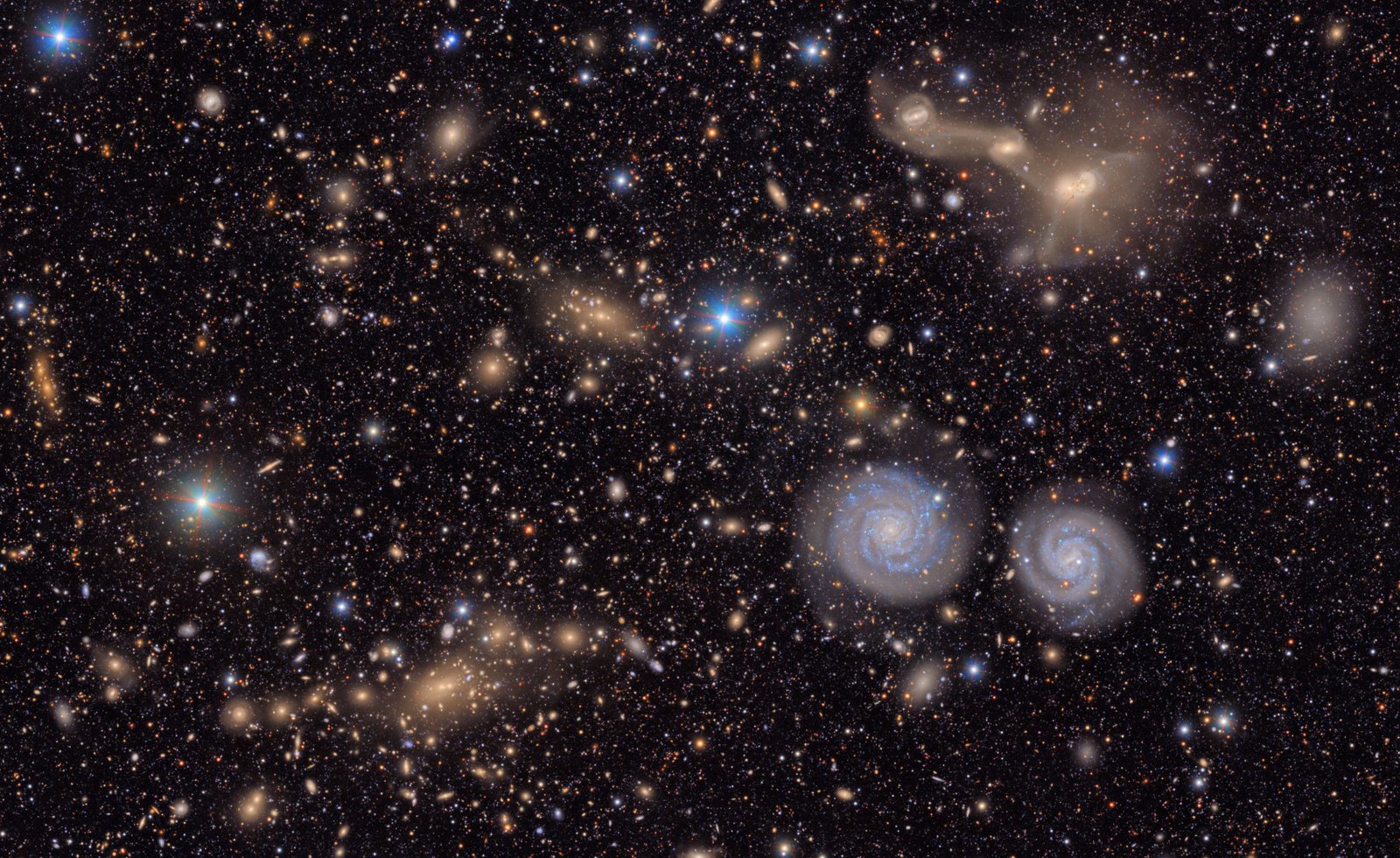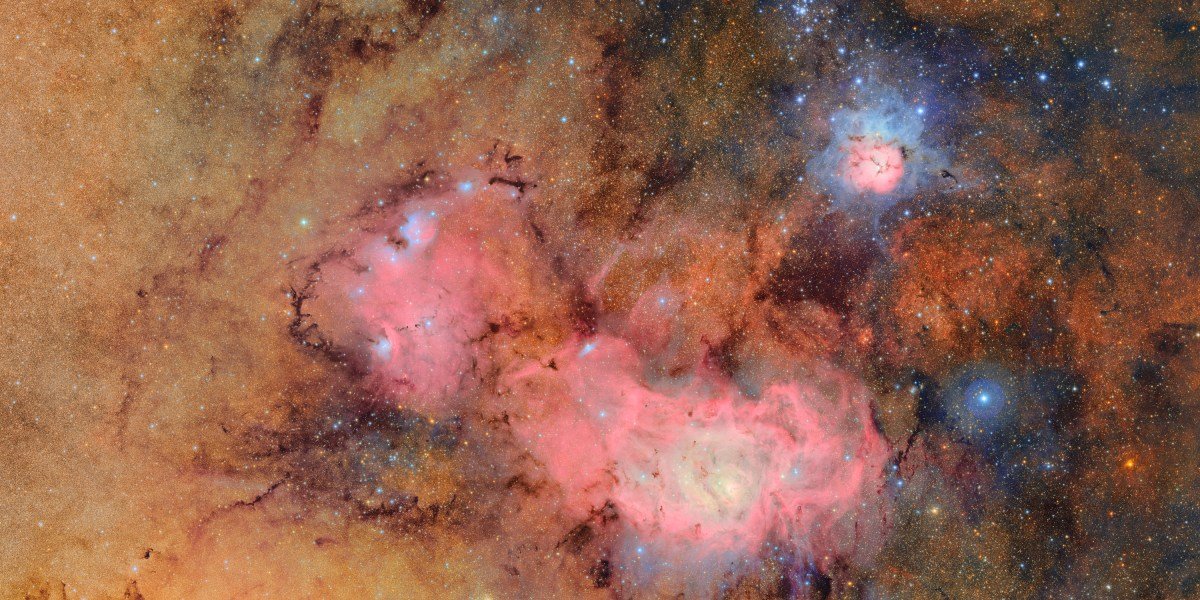
Funded by the US National Science Foundation and the Department of Energy, the NSF-DOE Vera C. Rubin Observatory is gearing up for a decade of planned observations. Today’s revelation is just the beginning of what’s in store, but these initial breathtaking images are a testament to more than ten years of hard work.
“This is a clear sign that Rubin is here and now,” says Bernardinelli. “It’s not just a vision for the future anymore.”
In a quick scan of the night sky, Rubin managed to spot over 2,000 never-seen-before asteroids, proving its ability to illuminate even the most elusive inhabitants and darkest corners of our solar system.
Perched atop Chile’s Cerro Pachón mountain range, Rubin is equipped with a 7,000-pound, 3,200-megapixel digital camera capable of capturing detailed images of the night sky. With a cradle of mirrors that can capture faint starlight from great distances and a system of joints and pistons for swift and precise movement, this observatory is primed for swift and automated sky surveys. A global computer network enables efficient processing of images, rapid detection of new objects, and prompt alerts to the relevant astronomical teams.
Named after the renowned astronomer Vera Rubin, who uncovered compelling evidence of dark matter, the observatory is on a mission to unravel the mysteries of the universe. Dark matter, a mysterious force binding galaxies together, and its enigmatic counterpart, dark energy, pose a colossal challenge that requires a comprehensive approach to cosmic exploration.