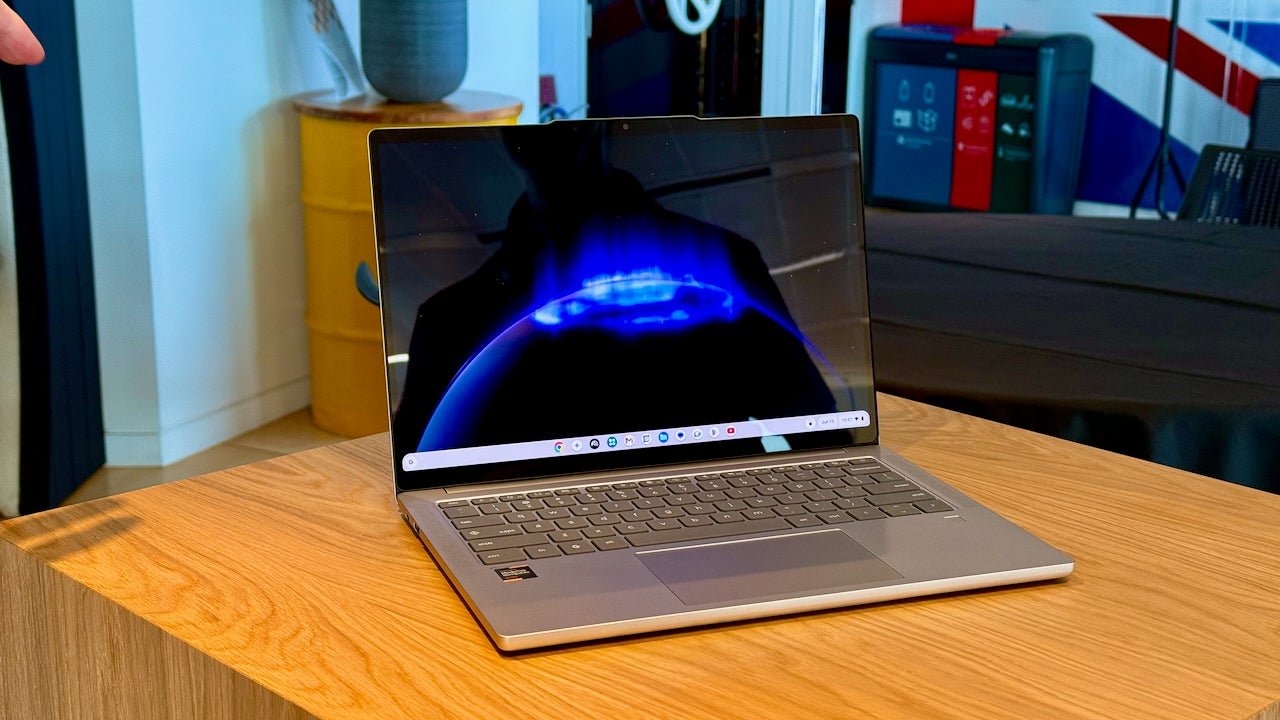
An insightful strategy to reduce carbon footprint and costs is minimizing power consumption in data centers, showcasing the intersection of eco-friendly practices and financial benefits.
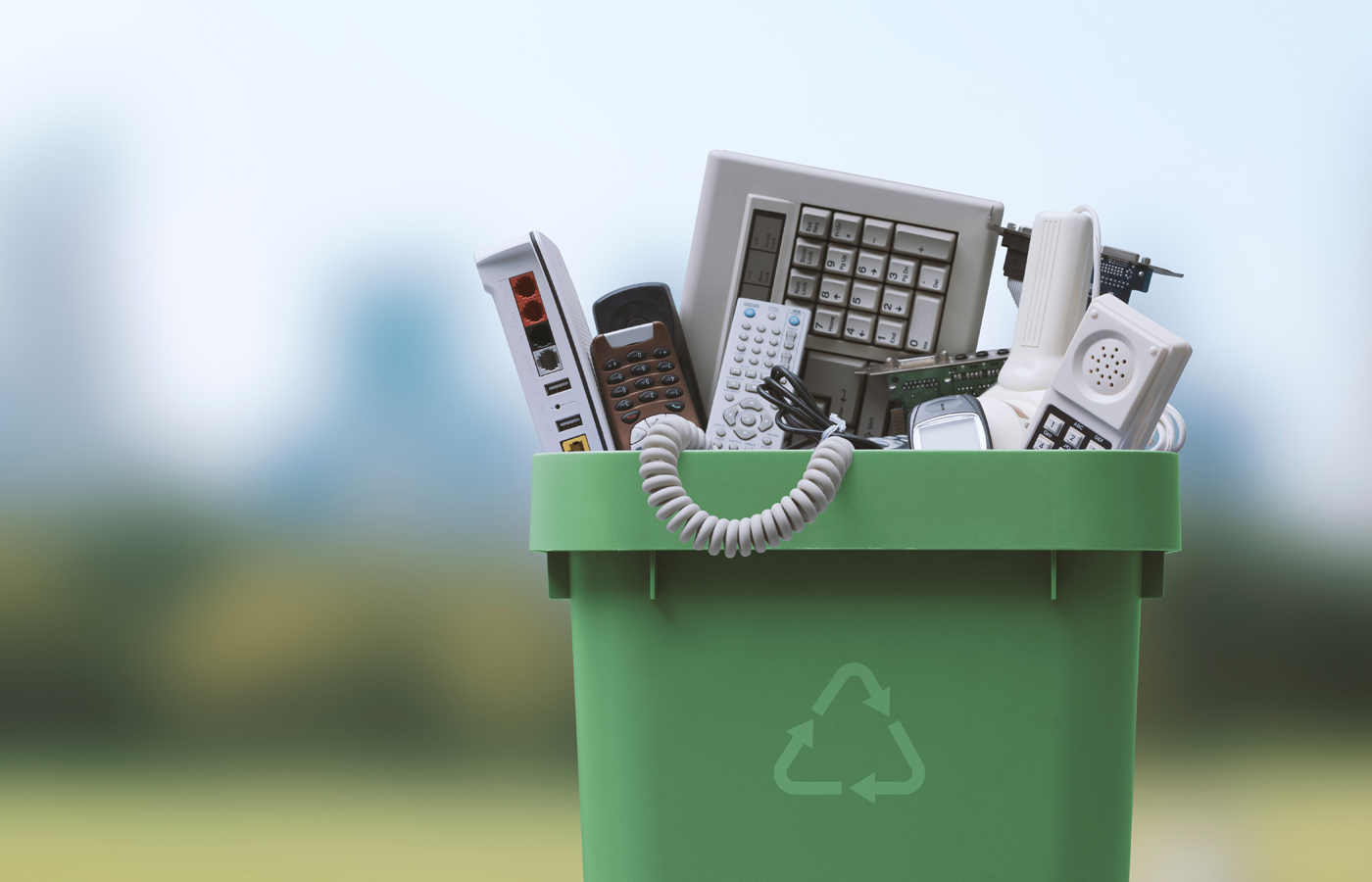
The recycling process for e-waste is a complex journey, with only a fraction being effectively recycled. A staggering 53.6 million tonnes of e-waste was disposed of globally in 2019, with a mere 17.4% being recycled. The urgent need for enhanced e-waste management solutions is evident, given the environmental and health risks posed by improper handling.
Businesses play a pivotal role in shaping e-waste production and disposal practices, underscoring the need for environmentally conscious approaches in manufacturing and recycling processes. Collaboration and innovative strategies are key to aligning industry practices with sustainability objectives.
Engaging in responsible e-waste management is crucial for all stakeholders, not solely dependent on governmental regulations or corporate initiatives. Prudent decision-making and proactive participation from individuals are essential to address this pressing issue.
Correctly recycling e-waste allows for the recovery and reuse of valuable components, contributing positively to sustainability efforts. Conversely, improper disposal can release harmful chemicals, jeopardizing environmental integrity and human health.
E-waste, a rapidly expanding category of waste, poses challenges due to the presence of both valuable resources like copper and gold alongside hazardous elements like lead and mercury. Forward-thinking solutions are required to streamline e-waste processing, integrating innovative technologies and environmental accountability into the process.
Regulatory frameworks at local, national, and international levels are pivotal in establishing clear guidelines for e-waste management. International agreements further regulate the global movement of e-waste, emphasizing responsible practices and sustainable solutions.
Amidst the rising tide of electronic waste, emerging trends and technologies are revolutionizing e-waste management. These innovative approaches are instrumental in reshaping the landscape of e-waste handling, paving the way for a more efficient and sustainable future.